Sinai Peninsula Complete Tourism Authority Guide
The Sinai Peninsula stands as one of Egypt's most extraordinary destinations, bridging Africa and Asia with landscapes that have witnessed biblical history, ancient civilizations, and modern adventure tourism. From the sacred heights of Mount Sinai to the underwater paradise of the Blue Hole, this triangular peninsula offers experiences that resonate through millennia.
🏔️ Essential Sinai Peninsula Facts
Location: Between Mediterranean Sea (north) and Red Sea (south)
Area: 61,000 square kilometers
Highest Peak: Mount Catherine (2,629 meters)
Climate: Desert with mild winters, hot summers
Religious and Historical Heritage Sites
The Sinai Peninsula cradles some of the world's most sacred locations, where three major religions converge in reverence and pilgrimage. These sites continue to draw millions seeking spiritual connection and historical understanding.
Mount Sinai (Jabal Musa)
Rising 2,285 meters above sea level, Mount Sinai holds profound significance as the biblical location where Moses received the Ten Commandments. The mountain, known locally as Jabal Musa (Mountain of Moses), offers two primary ascent routes that have been traveled by pilgrims for centuries.
The traditional camel path provides a gentler, winding approach suitable for most fitness levels, while the Steps of Repentance—3,750 stone steps carved by monks—challenges even experienced hikers. Many visitors choose to begin their ascent in darkness, timing their arrival at the summit for sunrise, when the desert landscape transforms into a tapestry of gold and crimson.
⭐ Mount Sinai Climbing Tips
Best Time: Start climb 2-3 hours before sunrise
Temperature: Can drop to 5°C at summit, even in summer
Essentials: Warm clothing, headlamp, sturdy shoes
Duration: 2-3 hours ascent, 1.5-2 hours descent
St. Catherine's Monastery
At the foot of Mount Sinai stands St. Catherine's Monastery, a UNESCO World Heritage site and the world's oldest continuously operating monastery. Founded in the 6th century CE by Emperor Justinian, this Orthodox Christian monastery houses an extraordinary collection of ancient manuscripts, icons, and religious artifacts.
The monastery's library contains the second-largest collection of early codices and manuscripts in the world, surpassed only by the Vatican. Visitors can explore the ancient walls, view Byzantine mosaics, and witness the site believed to house the Burning Bush where God appeared to Moses. The monastery's isolation has preserved treasures that offer windows into early Christian and Islamic civilizations.
Adventure Tourism and Natural Wonders
Beyond its spiritual significance, the Sinai Peninsula serves as a playground for adventure enthusiasts, offering diverse landscapes from underwater coral gardens to desert canyons painted in rainbow hues.
Blue Hole - World's Most Famous Diving Site
Located 8 kilometers north of Dahab, the Blue Hole ranks among the world's most celebrated diving destinations. This circular reef formation plunges to depths exceeding 100 meters, creating an underwater cathedral where light filters through crystal-clear waters to illuminate pristine coral walls.
The site accommodates all diving levels, from snorkeling in shallow coral gardens to technical deep diving for experienced professionals. The surrounding reef hosts an incredible diversity of marine life including napoleonfish, barracuda schools, reef sharks, and delicate coral formations that have flourished in the Red Sea's warm, nutrient-rich waters.
⚠️ Blue Hole Diving Safety
Depth Limit: Recreational diving maximum 30 meters
Current Conditions: Can be strong, especially in winter
Certification Required: Open Water minimum, Advanced recommended
Local Guide: Always dive with certified local operators
Colored Canyon
The Colored Canyon showcases nature's artistry through narrow passages carved from sandstone formations displaying spectacular rainbow-colored walls. Wind and water have sculpted these rocks over millions of years, creating a natural gallery where layers of red, yellow, purple, and orange stone tell the geological history of the region.
Hiking through the canyon requires basic fitness and proper footwear, as visitors navigate through narrow passages and over smooth rock surfaces. The play of light throughout the day transforms the canyon's appearance, making photography particularly rewarding during golden hour periods.
Ras Mohammed National Park
Egypt's first national park protects both marine and terrestrial ecosystems at the southern tip of the Sinai Peninsula. The park encompasses pristine coral reefs, mangrove forests, and desert landscapes that support diverse wildlife populations including Nubian ibex, red foxes, and over 100 bird species.
Underwater, the park's reefs display some of the Red Sea's most vibrant coral formations and marine biodiversity. Diving and snorkeling sites within the park offer encounters with whale sharks, manta rays, dolphins, and countless reef species in crystal-clear waters with visibility often exceeding 30 meters.
Bedouin Culture and Desert Life
The Sinai Peninsula's indigenous Bedouin communities maintain traditional lifestyles that have adapted to desert conditions over centuries. These semi-nomadic peoples serve as guardians of ancient wisdom, desert navigation skills, and hospitality traditions that enhance modern tourism experiences.
The Jebeliya Tribe
The Jebeliya tribe represents the oldest indigenous community in the Sinai, with over 1,400 years of continuous presence in the region. Originally appointed as protectors of St. Catherine's Monastery, they have maintained their role as guardians of the sacred landscape while adapting to serve modern tourism needs.
Today, Jebeliya guides lead trekking expeditions, share traditional ecological knowledge, and provide cultural context that enriches visitor experiences. Their deep understanding of desert survival, weather patterns, and hidden water sources proves invaluable for safe desert exploration.
🐪 Bedouin Desert Wisdom
Navigation: Use stars, wind patterns, and landscape features
Water Sources: Knowledge passed down through generations
Weather Prediction: Read subtle environmental signs
Hospitality: Sacred duty to protect and provide for guests
Traditional Desert Experiences
Authentic Bedouin experiences offer visitors opportunities to engage with traditional desert culture through camel trekking, desert camping, and storytelling sessions. Evening gatherings around campfires feature traditional music, poetry, and tales that connect visitors to the desert's spiritual essence.
Bedouin cuisine, prepared using traditional methods and desert-adapted ingredients, provides tastes that reflect centuries of culinary evolution in harsh environments. Meals often feature grilled meats, unleavened bread, and tea ceremonies that demonstrate the importance of hospitality in Bedouin culture.
Adventure Activities and Outdoor Pursuits
The Sinai Peninsula's diverse terrain supports numerous adventure activities that cater to different interests and fitness levels, from underwater exploration to high-altitude trekking.
Desert Safaris and 4WD Adventures
Four-wheel drive expeditions traverse the peninsula's interior, accessing remote canyons, hidden oases, and panoramic viewpoints impossible to reach by conventional vehicles. These safaris often combine geological exploration, wildlife viewing, and cultural encounters with Bedouin communities.
Popular routes include the Colored Canyon circuit, Mount Catherine approaches, and remote desert monasteries. Experienced guides navigate challenging terrain while sharing knowledge about desert ecology, geology, and human history spanning thousands of years.
The Sinai Trail - Long-Distance Hiking
The Sinai Trail represents one of the world's most significant long-distance hiking projects, spanning 340 miles through eight Bedouin tribal territories. This trail system connects ancient pilgrimage routes, trade paths, and traditional migration corridors used by indigenous communities for centuries.
Hikers can choose from day sections or multi-day expeditions that include overnight camping in traditional Bedouin encampments. The trail offers unparalleled access to remote areas of the peninsula while supporting local communities through sustainable tourism practices.
🥾 Sinai Trail Planning
Best Season: October through April for comfortable temperatures
Fitness Level: Moderate to challenging, varies by section
Guided Tours: Recommended for safety and cultural insight
Camping: Traditional Bedouin camps provide authentic accommodation
Rock Climbing and Mountain Ascents
The Sinai's mountainous terrain offers excellent rock climbing opportunities for various skill levels. Popular climbing areas include the granite formations around Mount Catherine and technical routes on Mount Sinai's faces.
Climbing in the Sinai requires understanding of desert conditions, temperature variations, and respect for sacred sites. Local climbing guides provide essential safety support and cultural context for responsible exploration of these ancient landscapes.
Coastal Destinations and Resort Towns
The Sinai Peninsula's Red Sea coastline features distinct resort destinations, each offering unique atmospheres and activity focuses that cater to different travel preferences.
Sharm El Sheikh - International Resort Hub
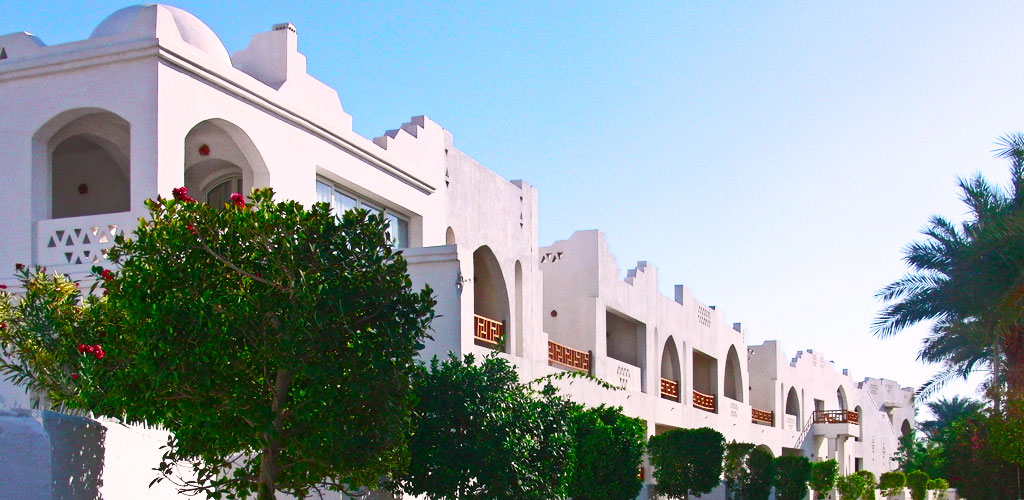
Sharm El Sheikh anchors the peninsula's tourism infrastructure with its international airport, luxury resorts, and comprehensive diving facilities. The city serves as the primary gateway for international visitors and provides access to world-class diving sites including Ras Mohammed and the Straits of Tiran.
Modern amenities, international restaurants, and professional tour operators make Sharm El Sheikh ideal for visitors seeking comfort while exploring the peninsula's natural wonders. The city's Naama Bay area offers concentrated dining, shopping, and entertainment options.
Dahab - Alternative Tourism Capital
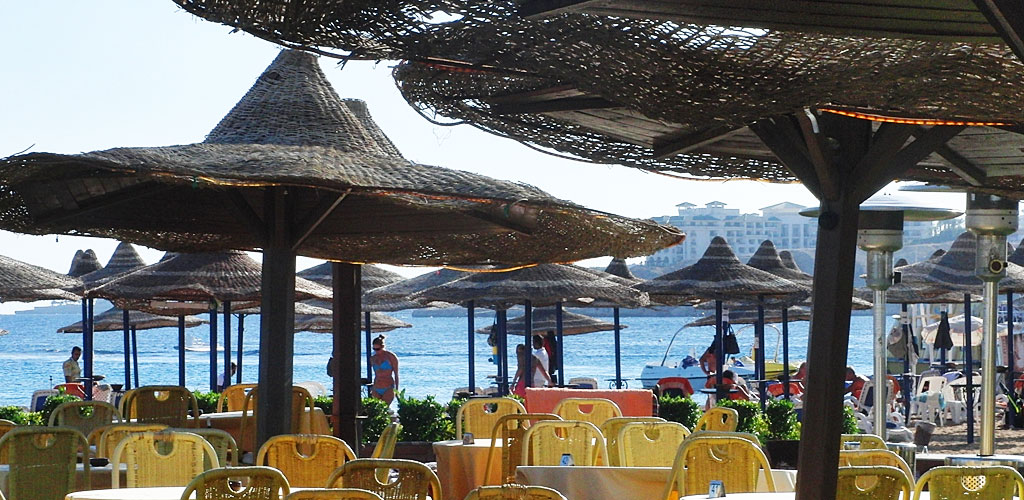
Dahab maintains its reputation as the peninsula's alternative tourism hub, attracting budget travelers, diving enthusiasts, and those seeking a more laid-back atmosphere. The town's beachfront restaurants, cafes, and dive centers create a relaxed environment perfect for extended stays.
Dahab's proximity to the Blue Hole, excellent wind conditions for kitesurfing, and affordable accommodation options appeal to young travelers and adventure sports enthusiasts. The town retains much of its original Bedouin fishing village character despite tourism development.
Nuweiba and Taba - Quieter Alternatives
Nuweiba offers ferry connections to Jordan and a more authentic, less developed atmosphere compared to larger resort towns. The area provides access to remote beaches, traditional Bedouin communities, and desert adventures without crowds.
Taba, near the Israeli border, features luxury resorts and a quieter environment appealing to visitors seeking relaxation and easy access to both Egyptian and neighboring country attractions.
Practical Tourism Information
Successful Sinai Peninsula travel requires understanding of regional requirements, seasonal considerations, and safety protocols that ensure enjoyable and secure experiences.
Visa Requirements and Permits
The Sinai Peninsula operates under special visa arrangements that facilitate tourism while maintaining security protocols. Visitors have several entry options depending on their intended activities and duration of stay.
📋 Sinai Visa Options
Sinai-Only Visa: Free 15-day visa for Sharm/Dahab/St. Catherine triangle
Full Egyptian Visa: Required for mainland Egypt access ($25 USD)
Mountain Permits: Police permits required for high mountain region
Processing: Obtain at airports or advance through Egyptian consulates
Best Travel Seasons
The Sinai Peninsula's desert climate creates distinct seasonal considerations for different activities. Winter months (October through April) provide ideal conditions for hiking, desert exploration, and outdoor activities, with comfortable daytime temperatures and cool evenings.
Summer months (May through September) feature hot desert conditions that make water activities particularly appealing while requiring early morning or evening scheduling for land-based adventures. Year-round diving conditions remain excellent due to the Red Sea's consistent water temperatures.
Transportation and Access
Sharm El Sheikh International Airport serves as the primary entry point for international visitors, with regular flights from major European and Middle Eastern cities. Domestic flights connect to Cairo and other Egyptian destinations.
Road transportation connects peninsula destinations through well-maintained highways, though interior areas require four-wheel drive vehicles and experienced guides. Ferry services from Nuweiba provide connections to Jordan for multi-country itineraries.
Conservation and Sustainable Tourism
The Sinai Peninsula's fragile desert and marine ecosystems require careful stewardship to preserve their beauty and biodiversity for future generations. Sustainable tourism practices protect natural resources while supporting local communities.
Environmental Protection Initiatives
National parks and protected areas maintain strict guidelines for visitor activities, camping locations, and wildlife interactions. Marine conservation efforts focus on coral reef protection through regulated diving practices and mooring systems that prevent anchor damage.
Desert conservation emphasizes minimal impact camping, waste management, and traditional navigation methods that avoid damage to fragile soil surfaces and rare plant communities.
Community-Based Tourism
Bedouin communities play essential roles in peninsula tourism through guide services, traditional accommodation, and cultural experiences that provide authentic desert encounters. These partnerships ensure tourism benefits reach local families while preserving traditional knowledge and lifestyles.
Fair trade initiatives support handicraft production, traditional food preparation, and guide training programs that maintain cultural authenticity while adapting to modern tourism expectations.
🌍 Responsible Travel Tips
Respect Sacred Sites: Follow dress codes and photography restrictions
Support Local Guides: Choose Bedouin-operated tour services
Minimize Environmental Impact: Follow Leave No Trace principles
Cultural Sensitivity: Learn basic Arabic greetings and customs
Planning Your Sinai Peninsula Adventure
The Sinai Peninsula rewards thoughtful planning that considers diverse interests, activity levels, and seasonal preferences. Whether seeking spiritual pilgrimage, underwater adventure, or desert exploration, the peninsula offers experiences that transform visitors' understanding of this remarkable region.
Consider combining coastal relaxation with desert adventure, mixing cultural sites with natural wonders, and allowing time for spontaneous discoveries that emerge from interactions with local communities. The peninsula's compact size enables diverse experiences within relatively short timeframes while providing opportunities for deeper exploration.
From the sacred heights of Mount Sinai to the underwater cathedrals of the Blue Hole, from ancient monastery walls to traditional Bedouin camps, the Sinai Peninsula continues to offer transformative travel experiences that connect visitors to landscapes, cultures, and histories spanning millennia.